What is Philosophy?


Philosophy: A definition
Philosophy is unlike other traditional subjects, such as Geography or History. These ask students to remember a lot of information, such as dates, places, events, and names. Philosophy is not concerned with memorising dates, places, events, and names, but rather focuses on the mental activity of thinking.
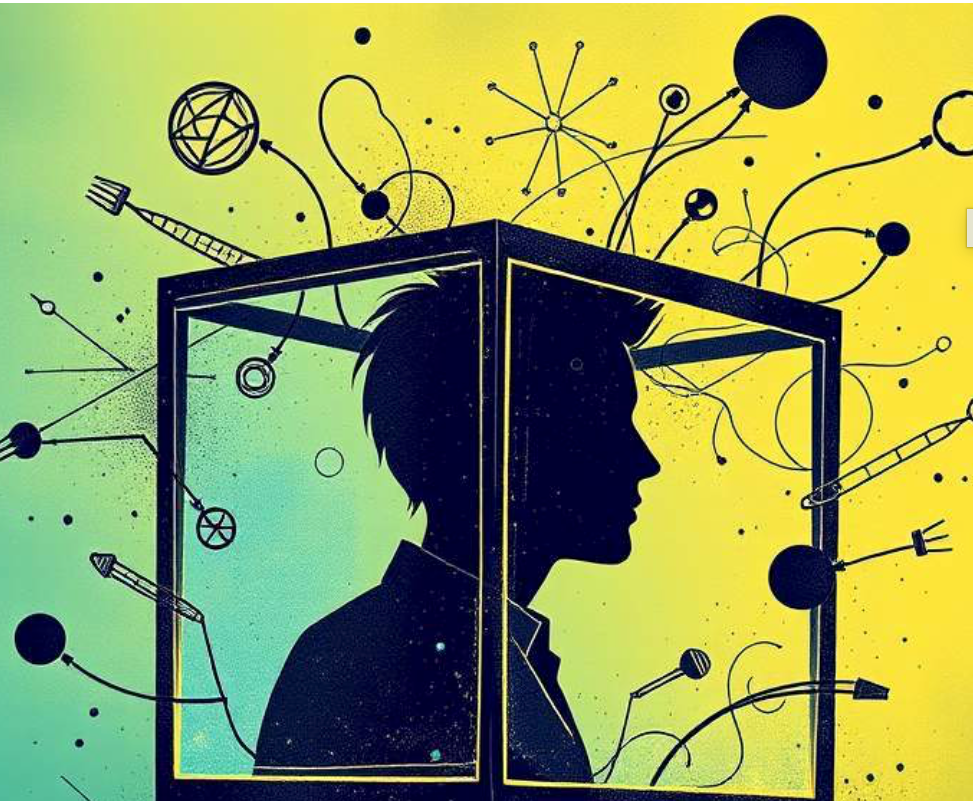
Break the Habit- Question
A young lady wants to take the University of Oxford Entrance Examination in Philosophy.
To prepare for this, she studies, researches, and reads about Philosophy for six months. On the day of the exam, the student goes to Oxford. Turning the paper over, she discovers there is only one question to answer: ‘Is this a question?’ After thinking, the student writes, ‘If this is an answer.’
Her response is good enough to pass the exam and get a place at the University of Oxford. All the reading and research the student did before the examination was of no use. The information did not help. Her success was a result of thinking logically and critically.
The University wanted the student to reflect on something most of us never consider: ‘What is the nature of a question?’ ‘What makes a question a question?’ We are all too busy answering questions in daily life to take time to think about this.
Why is Philosophy useful?
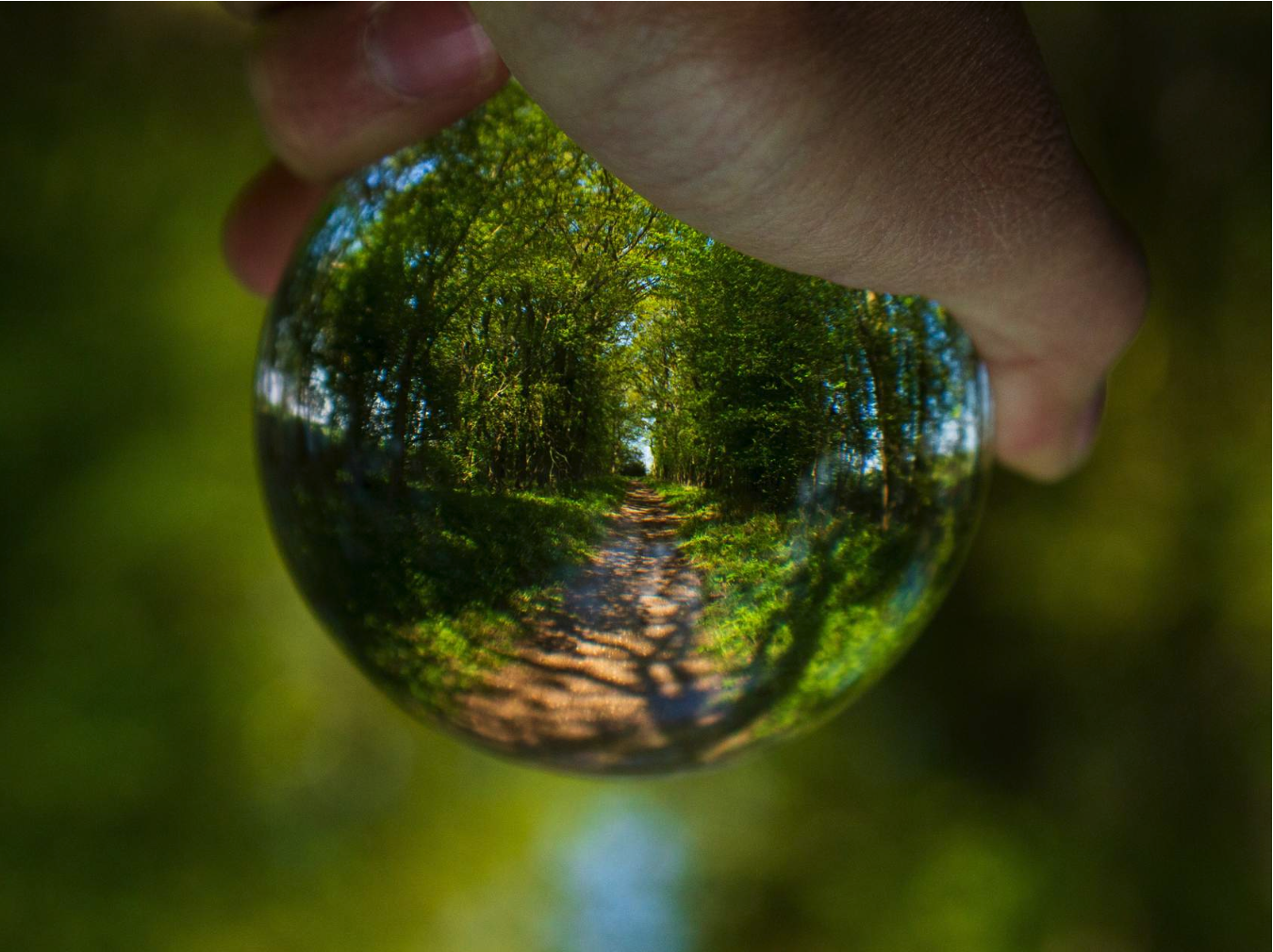
Philosophy, as a mental activity of critical thinking, is important to help us think outside the box and see things from different perspectives. If we can do this, it might help us be more open-minded and get a different understanding of things. One of the easiest ways to start doing this is to shake the box by questioning. Sometimes the questioning itself, rather than any actual answers, can be enough to gain a new perspective or understanding of something.
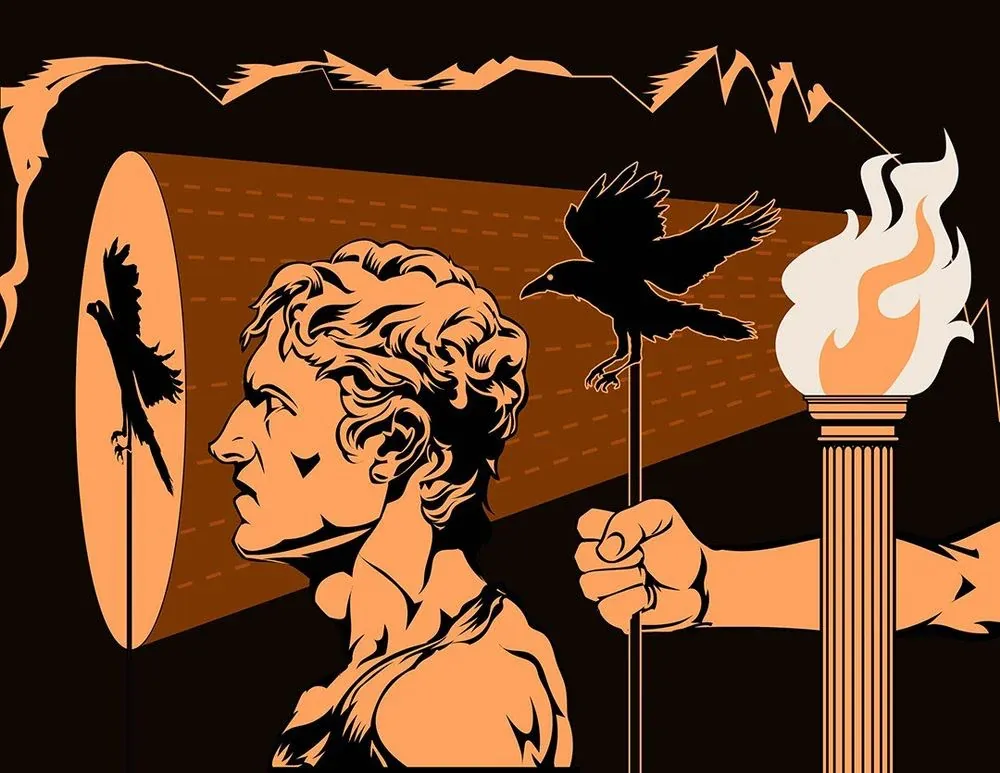
An Exploration of Plato's Cave
While Watching
Note Answers to the Questions:
- What are the people doing inside the cave?
- What do they see on the wall?
- What happens to the person who escapes?
- How does he react to the world outside the cave?
- What happens when he returns to the cave?
After Watching
Are these statements are True or False?
- One person escapes and sees the real world.
- The others easily accept what he tells them.
- They believe the shadows are real.
- He is happy back in the cave telling the others the truth.
- The people in the cave are free to move.
Discussion Board
Let's explore more together